
Core Values
At J-Systems, we understand that every solar power plant is a twenty-year commitment to sustainability.
Safety should not merely meet regulations; it must be an absolute anticipation of extreme environments.
Professional Engineering
Advanced structural engineering and customized solar solutions designed for reliability, safety, and demanding environmental conditions.
Global Quality Standards
Certified manufacturing and integrated global support delivering reliable solutions worldwide.
Sustainable Future
Committed to sustainable manufacturing, carbon reduction, and long-term environmental responsibility.
Comprehensive QA & Quality Assurance
We conduct periodic testing of raw material quality and product durability.
Experimental Items:
Salt Spray Test (SST)
Copper-Accelerated Acetic Acid Salt Spray Test (CASS Test)
Sodium Chloride Testing
Acetic Acid Salt Spray Test (ASS Test)
Other Simulated Atmospheric Corrosion Conditions
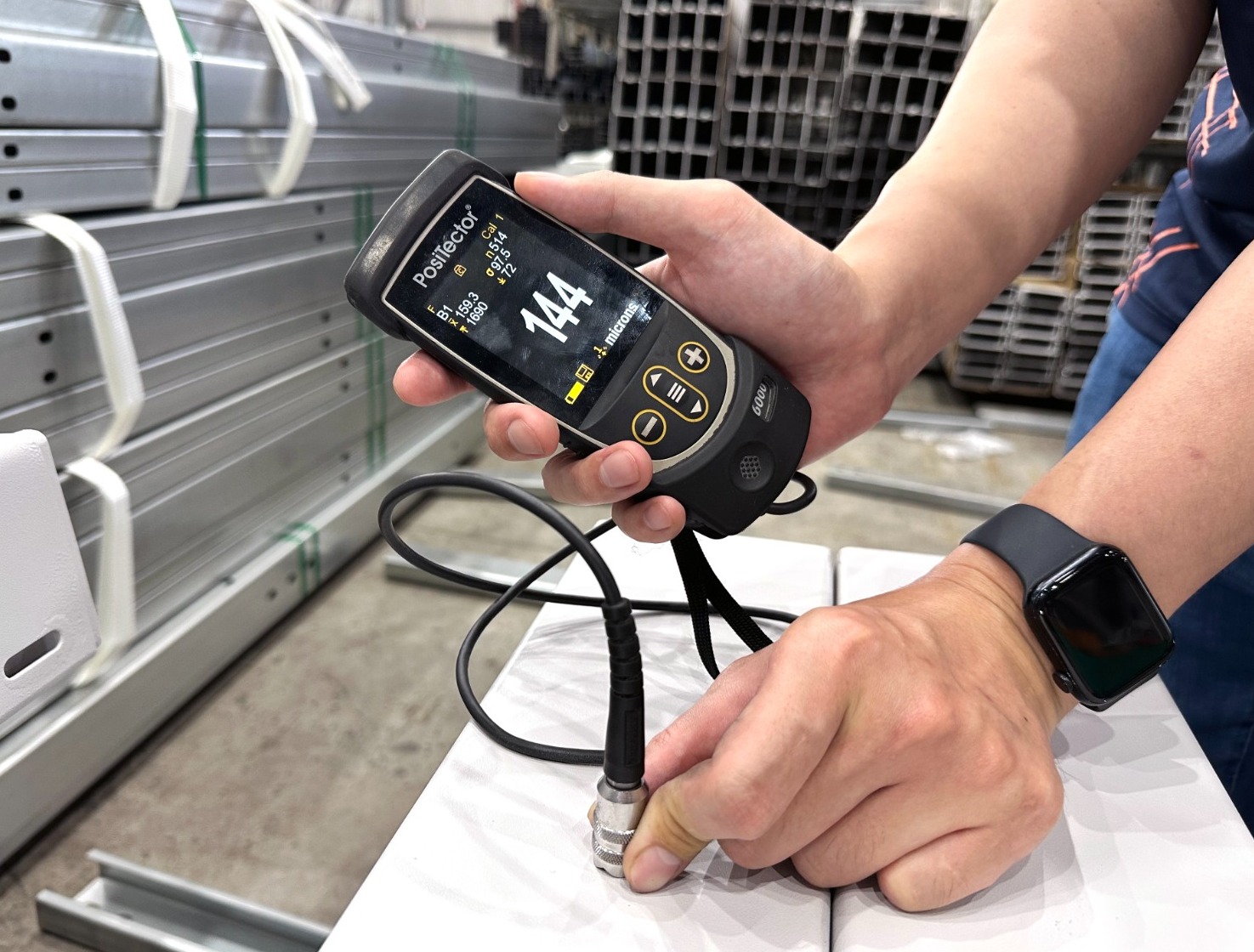
Coating Thickness Gauge:
The Core Metric for Corrosion Resistance
Functions
Used to measure the thickness of surface treatments such as galvanization, powder coating, and anodizing. Common Measurement Methods:
- Magnetic Induction: For non-magnetic coatings on ferrous substrates.
- Eddy Current: For non-conductive coatings on non-ferrous metal substrates.
- XRF (X-ray Fluorescence): For high-precision or multi-layer measurement.
Role in Quality Control (QC)
- Compliance: Verifies whether the thickness of powder coatings or galvanized layers meets industry standards and specifications.
- Durability Assurance: Directly impacts the anti-corrosion lifespan (essential for achieving a 20–30 year service life in outdoor environments).
- Risk Mitigation:
- Insufficient Coating Thickness: May lead to premature corrosion and reduced structural durability.
- Excessive Coating Thickness: May result in unnecessary material costs and potential coating adhesion issues.
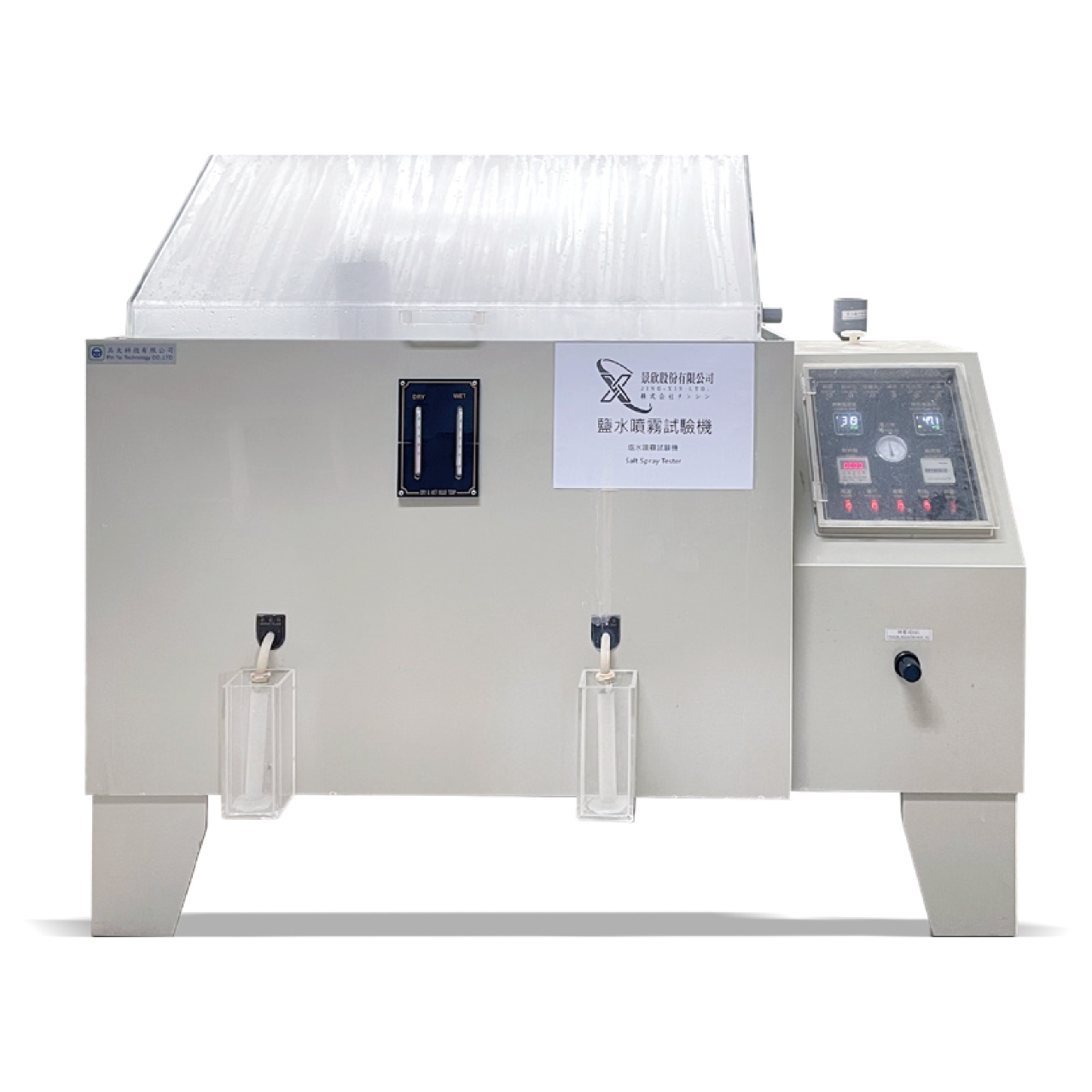
Salt Spray Test Machine
Weather Resistance Verification
Functions
- Simulating Corrosive Environments: Simulates salt spray and marine environments to accelerate the corrosion process.
- Evaluating Resistance: Assesses the anti-corrosion capabilities of materials or surface coatings.
Role in Quality Control (QC)
Solar mounting structures are predominantly installed outdoors or in coastal regions, making corrosion resistance critical:
- Durability Validation: Verifies the durability of galvanization or coatings (e.g., 500h / 1000h NSS - Neutral Salt Spray test).
- Process Comparison: Compares the quality of different manufacturing processes (e.g., Hot-Dip Galvanizing vs. Powder Coating).
- Customer Verification & Certification: Provides empirical data for customer audits and international standard compliance.
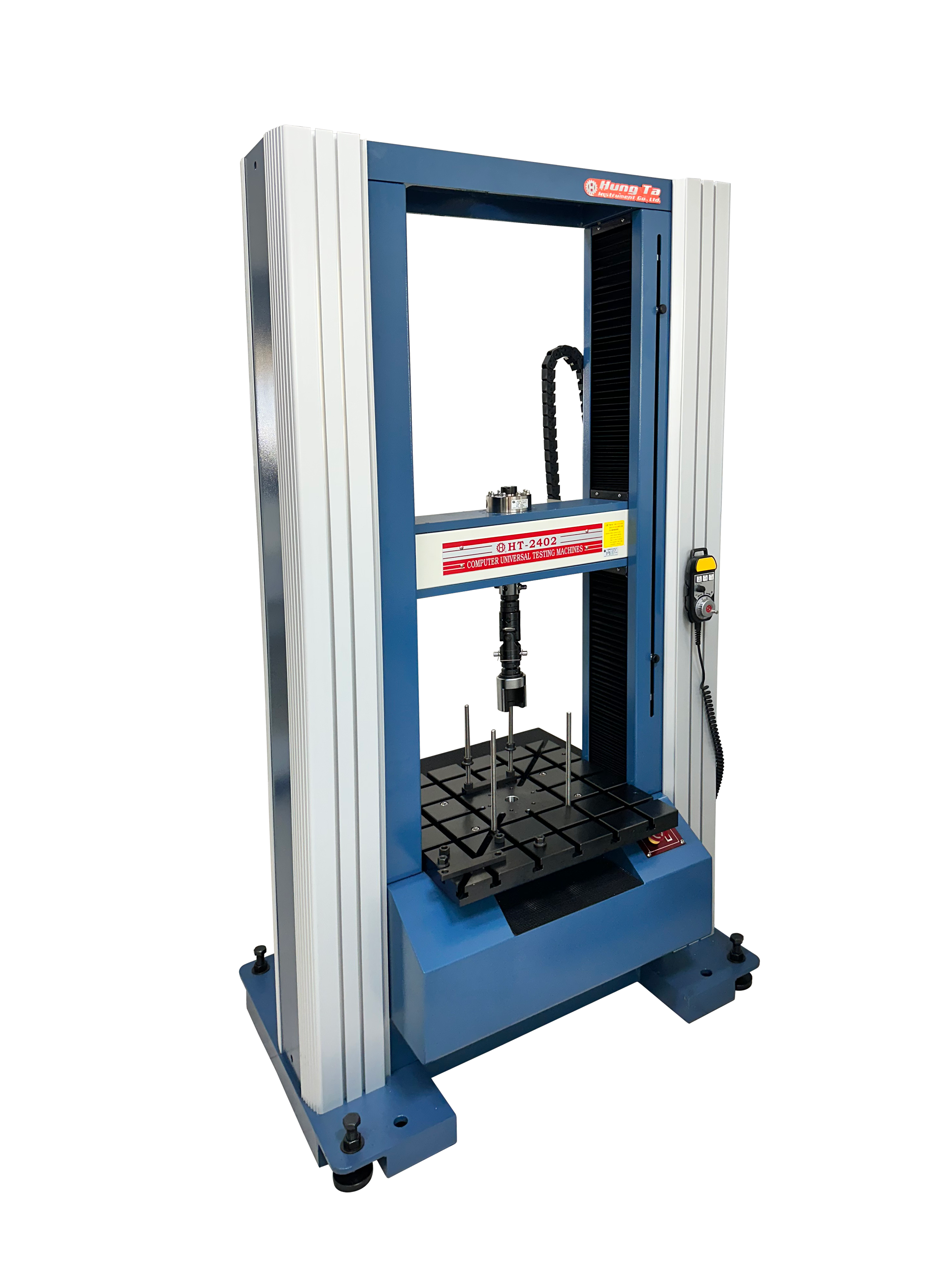
Universal Testing Machine (UTM)
Structural Testing
Functions
Used to test the mechanical properties of materials:- Tensile Strength: The maximum stress a material can withstand while being stretched before breaking.
- Yield Strength: The stress level at which a material begins to deform permanently (plastically).
- Elongation: The percentage increase in length before failure (indicates ductility).
Role in Quality Control (QC)
This is the most critical factor for structural safety:
- Material Specification Compliance: Verifies if the steel meets specific grade standards (e.g., SS400, NSDH490 ).
- Load-Bearing Validation: Validates the structural capacity of the mounting system to withstand environmental loads such as wind pressure and snow loads.
- Destructive Testing: Conducted for design verification to determine the actual failure point and safety margins.
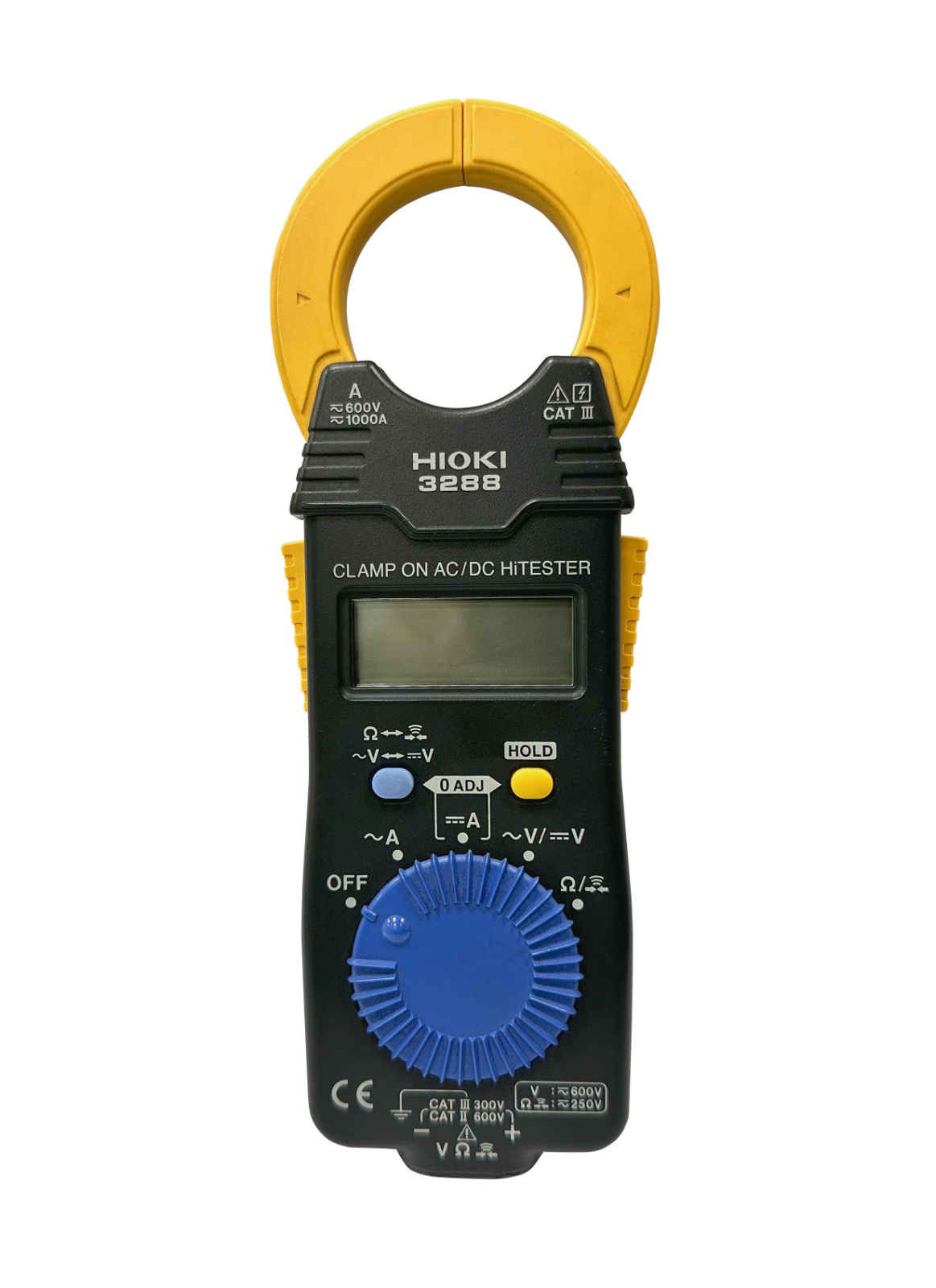
Clamp Meter
Electrical Safety & System Verification
Functions
Used for electrical measurement and equipment monitoring:- Current Measurement (Non-contact): Measures electrical current without the need to disconnect the circuit.
- Multimeter Functions: Many models can also measure Voltage and Resistance.
Role in Quality Control (QC)
While indirect in solar mounting structures, it is essential for process stability:
- Welding Equipment Parameter Verification: Confirms that welding machines are operating at the correct amperage to ensure weld penetration and structural integrity.
- Equipment Maintenance: Monitors the electrical load of factory machinery to prevent downtime and ensure consistent production quality.
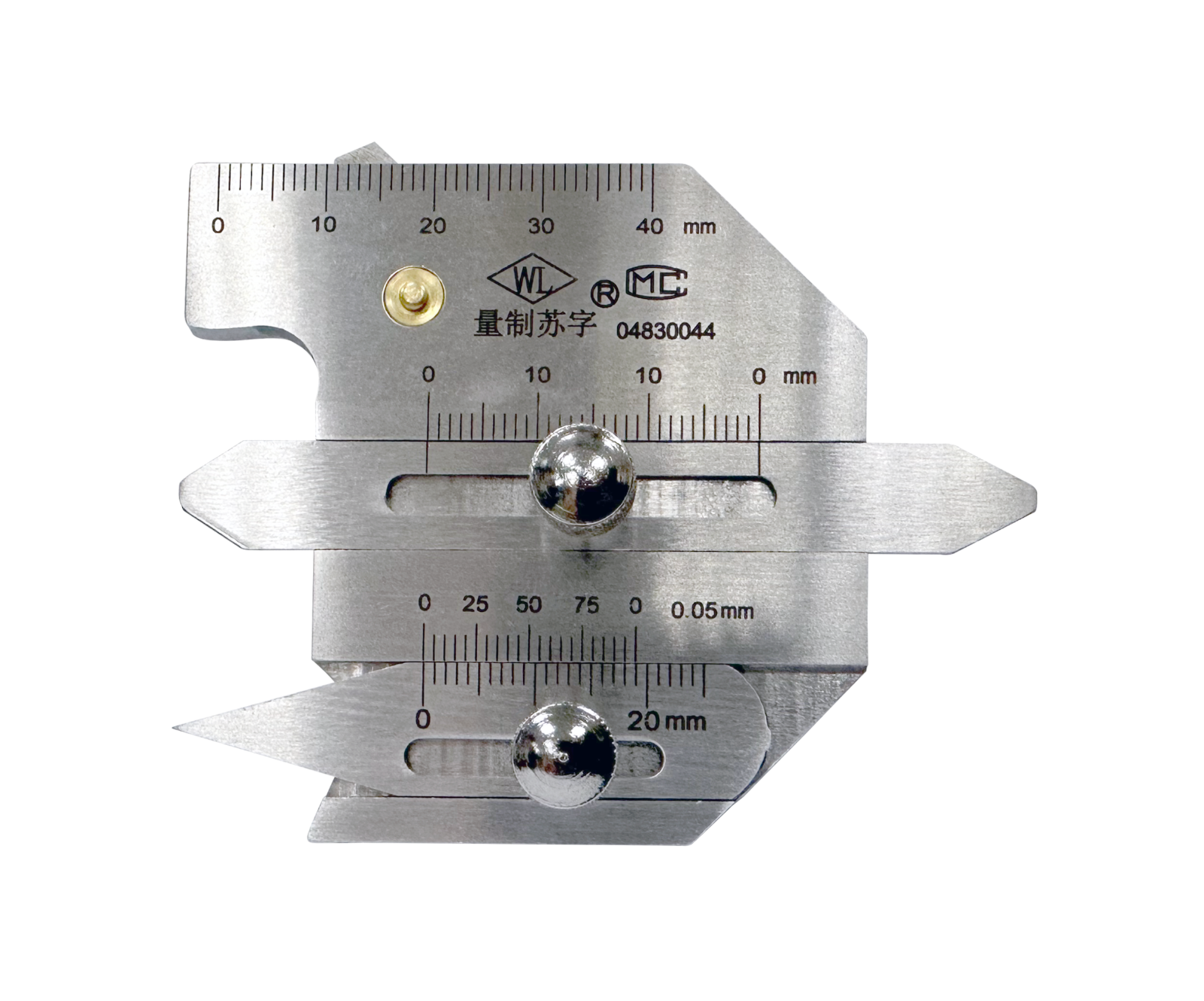
Welding Gauge
Structural Integrity & Manufacturing Quality
Functions
Used to measure the geometric dimensions of weld beads:- Fillet Weld Leg Size: The length of the weld legs in a corner joint.
- Weld Throat Thickness: The critical thickness of the weld that determines its strength.
- Undercut and Reinforcement: Measures surface defects (undercut) and the height of the weld metal above the base metal (reinforcement).
Role in Quality Control (QC)
Welding is a critical process in solar mounting system manufacturing:
- Design Compliance (WPS): Confirms that welding matches the design requirements and Welding Procedure Specifications (WPS).
- Risk Mitigation:
Insufficient Leg Size Structural Weakness: Potential for structural failure under environmental stress.
Excessive Welding Distortion & Cost: Leads to heat-induced deformation and unnecessary material waste. - Immediate On-site Inspection: Provides real-time feedback, which is much faster than NDT (Non-Destructive Testing).
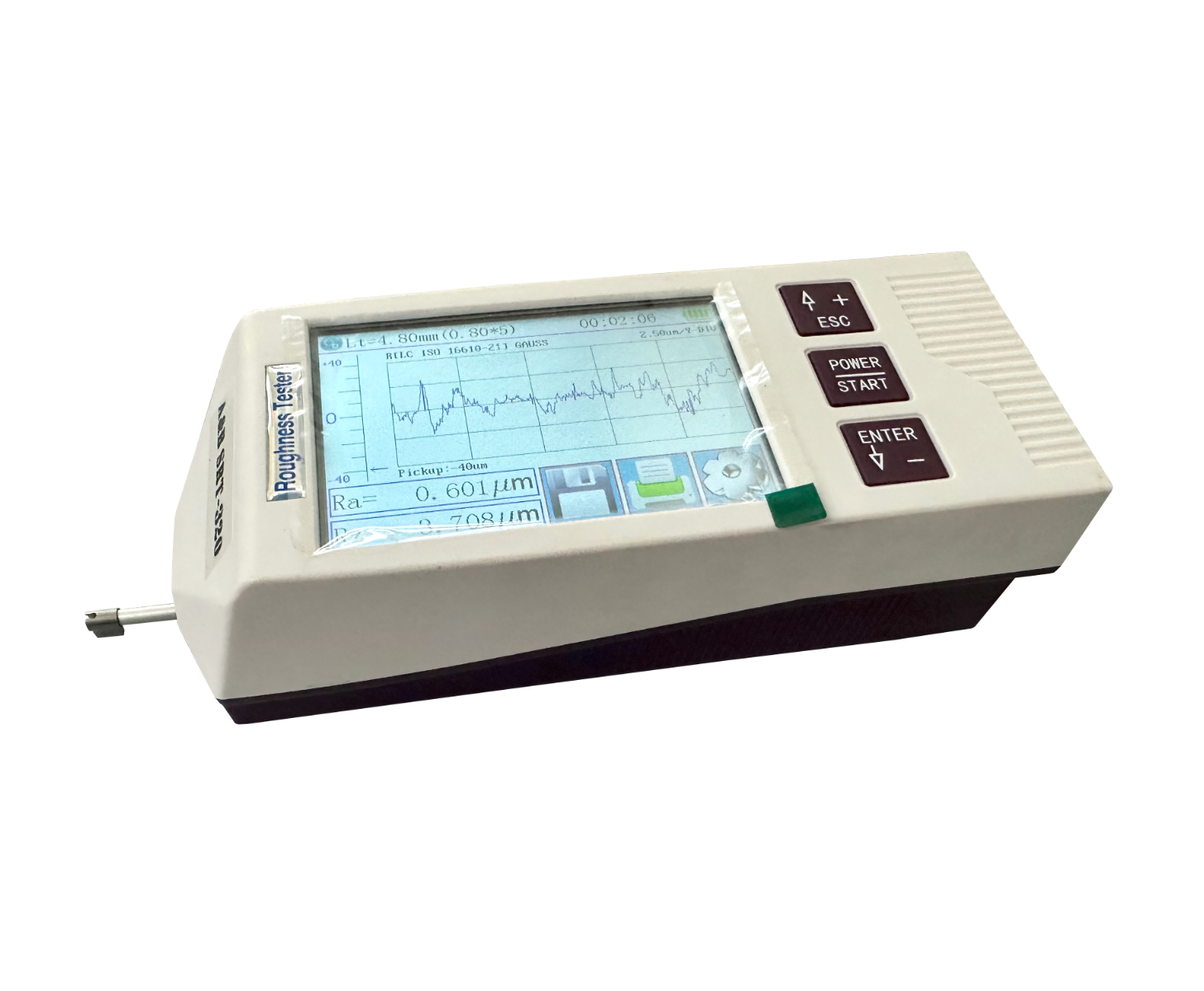
Surface Roughness Tester
Manufacturing Process & Surface Quality
Functions
Used to quantify the texture and finish of a material's surface:- Measurement of Surface Roughness (Ra, Rz, etc.): Measures standard roughness parameters, such as Ra (Arithmetic Average) and Rz (Mean Peak-to-Valley Height).
- Stylus Profilometry: Typically uses a diamond stylus that moves across the surface to detect microscopic irregularities.
Role in Quality Control (QC)
In the production of solar mounting components, this is essential for verifying machining precision:
- Laser Cutting Validation: Measures the roughness of the cross-section (cut edge) after laser cutting to verify if the machine's cutting performance meets technical requirements.
- Ensuring Coating Adhesion: Proper surface roughness is often required to ensure that subsequent coatings (like powder coating) adhere correctly to the metal.